Your Wallet Is a Clock: How "In Time" (2011) Reveals the Truth About Money
Reading time: 6 min
Imagine if every minute of your life was visible on your arm. Imagine if buying a coffee cost you four minutes, paying rent meant giving up weeks, and running out of time didn’t just mean being broke — it meant dying.
This is the world of the movie In Time (2011), a sci-fi thriller starring Justin Timberlake and Amanda Seyfried, where time literally is currency. People stop aging at 25, and from then on, they have to earn, borrow, steal, or inherit more time to stay alive.
The rich live for centuries. The poor die young — not from disease, but because their clock runs out.
As wild as that premise sounds, the film is a chilling metaphor for our own world. It reveals uncomfortable truths about money, inequality, and how we spend our lives. Time is our most valuable resource — and like in the movie, most of us are giving it away far too easily.
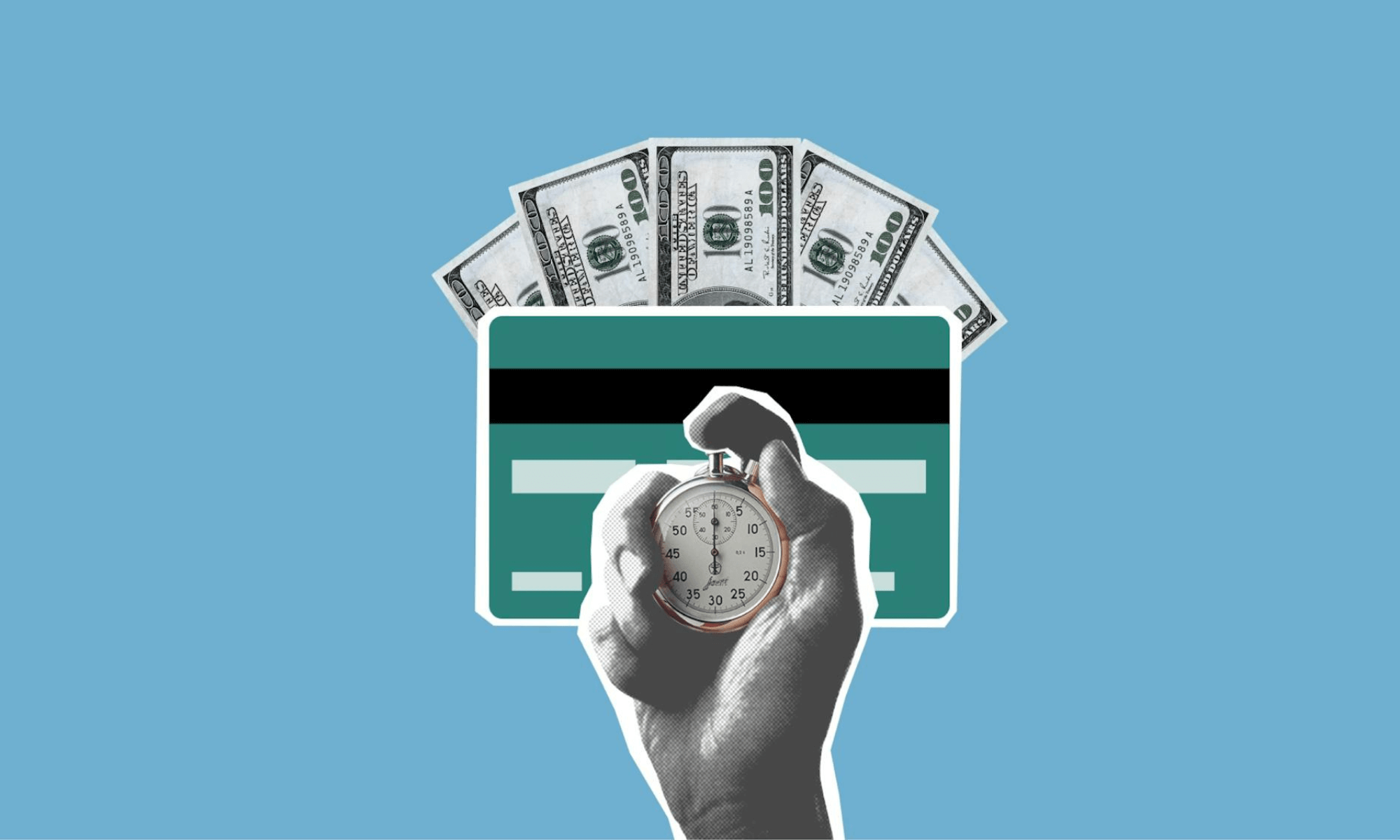
In the real world, we don’t have clocks on our arms, but the principle is the same: we trade our time for money.
Every paycheck reflects hours of your life — your energy, your stress, your focus. When you spend money, you’re not just losing cash — you’re giving away a piece of your life.
Let’s say you earn 500,000 ISK a month after taxes, and work around 200 hours including unpaid time like commuting and work stress. That means your time is worth 2,500 ISK per hour.
Now apply that to your everyday spending. A new iPhone for 180,000 ISK? That’s 72 hours of your life. A nice dinner out for 18,000 ISK? That’s 7 hours. A pair of sneakers for 30,000 ISK? That’s 12 hours.
We rarely stop to think of our purchases this way, but when we do, it changes everything.
We live in a society that hides the cost of our labor. When you tap your card or click “Buy Now”, it doesn’t feel like you’re trading your life.
But just like in In Time, the system is designed to keep you spending without thinking. The more disconnected you are from the effort behind your earnings, the easier it is to give it away.
Social media makes it worse. We’re bombarded with images of people showing off expensive clothes, tech, and experiences. What we don’t see is the debt, burnout, or pressure behind it.
In the movie, the elite have centuries on their clocks and waste it on luxury. Sound familiar?
In In Time, the poor are forced to run everywhere, constantly racing the clock. Many people today feel the same — always rushing, always stressed, just trying to make it to the next paycheck.
But what if you could slow down the clock? What if, instead of chasing more, you focused on wasting less?
Once you see your money as time, you start asking different questions. You begin to ask not just “Can I afford this?” but “Do I really want to spend 10 hours of my life on a new jacket? Is this worth part of my life?”
And that’s the real freedom: when you stop living to earn, and start earning to live — when saving money becomes a way to reclaim your life.
That extra 50,000 ISK you didn’t spend this month? That’s 20 hours of freedom. Time you can invest in rest, learning, creating, or simply being.
This mindset isn’t about restriction — it’s about awareness.
When you understand that everything you buy is a trade-off with your time, you start to spend with intention. You buy less, but you feel richer. Not in things — but in peace, autonomy, and time.
In the end, In Time is a mirror. It shows us what happens when we let the system define the value of our lives. But it also shows the power of waking up, of asking “What is my time worth?” — and refusing to waste it.
What In Time Can Teach Us About Personal Finance
The world of In Time isn’t just a sci-fi story — it’s a powerful lens through which we can understand our financial reality.
Here’s what the film teaches us about money and the systems we live under:
1. The Wealth Gap and Inequality
The rich in in the movie hoard decades, even centuries, while the poor beg for minutes. This reflects real-world issues where wealth distribution determines quality of life.
The rich hoard resources, while the poor live paycheck to paycheck.
Some people are born into privilege, with generational wealth and opportunities. Others struggle just to stay afloat.
Takeaway: Understand that inequality is real — but so is your power to fight it. Financial literacy is one of the most important tools you have to break the cycle.
2. Exploitation and Systemic Control
The wealthy in the movie intentionally keep the poor struggling to maintain control. This mirrors how real-world systems sometimes make it difficult for lower-income individuals to escape poverty — through low wages, debt traps, rising costs, and lack of access to financial education.
Takeaway: Don’t just work harder — work smarter. Invest in learning about money: take a course, read widely, or find a mentor to guide your growth in personal finance, so you can discover opportunities to make your money work harder for you.
3. Inflation and the Rising Cost of Living
The movie shows a world where inflation is engineered to keep people poor. In reality, rising prices, debt traps, and the pressure to constantly upgrade your lifestyle do the same.
Takeaway: Learn how inflation works and protect yourself by investing in assets that grow over time — like stocks, real estate, or even a side hustle.
Stay mindful of outside influences (like advertising, social media pressure, and peer habits) that drive mindless spending, and consciously choose to opt out by making intentional financial decisions instead of following the crowd.
4. Time Is the Ultimate Currency
In the movie, time is everything. You earn it, spend it, and run out of it. In real life, the same applies. When we spend money carelessly, we’re trading away our future.
Takeaway: Stop thinking of money as just numbers in a bank account. Start seeing it as slices of your time.
Every purchase is a choice between time and things. Would you trade hours of your life for that new gadget, or would you rather save for peace of mind and freedom?
By thinking of money as time, you start to see value differently. You stop chasing what others are buying and start chasing what truly matters to you.
5. Breaking the Cycle
The elite control the flow of time, keeping the poor desperate. Real-world systems can feel the same — debt traps, payday loans, rising rents.
The film’s hero, Will Salas, refuses to accept the system as it is. He fights to redistribute time and challenge the status quo.
Takeaway: You can break your own cycle too. Whether it’s changing bad spending habits, learning new skills, or building new income streams, action is the only way to escape financial struggle.
We often chase money, thinking it will bring us freedom. But true freedom doesn’t come from spending — it comes from choosing how to use your time.
So, the next time you’re about to buy something, pause and ask yourself:
“How many hours of my life is this really costing me? Is it worth it?”
Make sure you’re not trading your life for things you don’t even need.
Because unlike in the movie, we don’t get extra years on a black market.
Once it’s gone, it’s gone — so spend it wisely.